

Wet vs Dry Dog Food: 7 Essential Facts Every Owner Must Know

Standing in the pet food aisle can feel oddly stressful. On one side, there are bags of crunchy kibble. On the other, rows of cans and pouches with pictures of juicy stews. Both promise a happy, healthy dog, so which one is actually right for yours?

The truth is that neither wet nor dry food is “the winner” for every dog. The difference comes down to moisture, ingredients, cost, convenience, and your dog’s own needs. Let’s break it all down in plain language.

What Is Dry Dog Food?

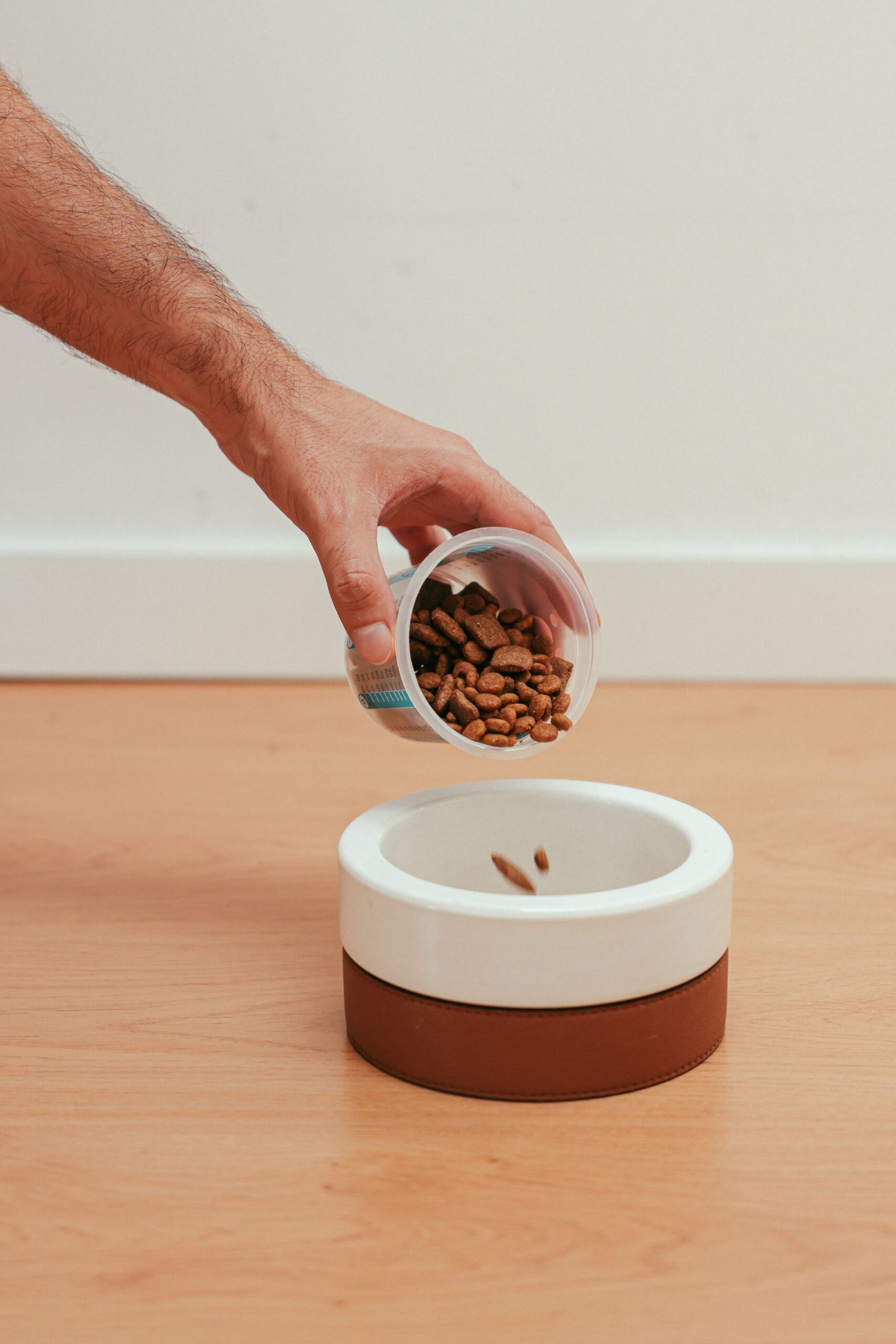
Dry dog food, usually called kibble, is cooked, dried, and shaped into small crunchy pieces. It contains only about 6 to 10 percent moisture, which is why it stays fresh in a bag for months.

Most kibble is made from a mix of meat or meat meals, grains or vegetables, fats, vitamins, and minerals. It is the most popular type of dog food in the world, mainly because it is affordable and easy to store.

What Is Wet Dog Food?

Wet dog food, often sold as canned dog food, pouches, or trays, has a much higher moisture content, usually around 70 to 80 percent. It has a soft, meaty texture that ranges from pâté to chunks in gravy.

Because it is sealed and cooked in the container, it has a strong smell and rich flavor that many dogs find hard to resist.

Feature Wet Dog Food Dry Dog Food
Moisture content
About 70–80%
About 6–10%
Texture
Soft, meaty
Hard, crunchy
Taste and smell
Strong, appealing
Milder
Cost
More expensive per serving
More budget-friendly
Shelf life (unopened)
Long, sealed cans
Long, sealed bags

Nutrition: Is One Healthier Than the Other?

Here is the part many people miss: a high-quality wet food and a high-quality dry food can both be complete and balanced. What matters is the label, not the format.Look for a statement saying the food meets the nutritional standards for your dog's life stage (puppy, adult, or senior), such as an AAFCO statement in many countries. That tells you the food contains the right mix of protein, fat, vitamins, and minerals.

A few things worth knowing:

What About Dental Health?

You may have heard that kibble "cleans" a dog's teeth. That is only partly true. Regular crunchy kibble does very little to prevent plaque. Special dental diets are designed to help, but ordinary dry food is not a substitute for brushing.Whichever food you choose, brushing your dog's teeth a few times a week and scheduling regular vet checkups will do far more for their mouth than the food format alone.

Which One Is Better for Your Dog?

Instead of asking "which is better," ask "which is better for my dog?" Here are some quick guidelines:

Puppies: Both work. Choose a formula made for puppies, and consider softening kibble with warm water to make it easier to eat.
Picky eaters: Wet food, or a wet topper on kibble, often wins.
Senior dogs: Wet food can be gentler on aging teeth and encourage eating.
Small breeds: Many enjoy wet food, and small portions reduce waste.
Large breeds on a budget: Dry food is usually the practical choice.
Dogs who need to lose weight: Wet food's lower calorie density can help, but portion control matters most in either case.
Dogs with health conditions: Talk to your vet, as kidney, urinary, allergy, and digestive issues may call for a specific diet.

Leave a Reply

Your email address will not be published. Required fields are marked *