

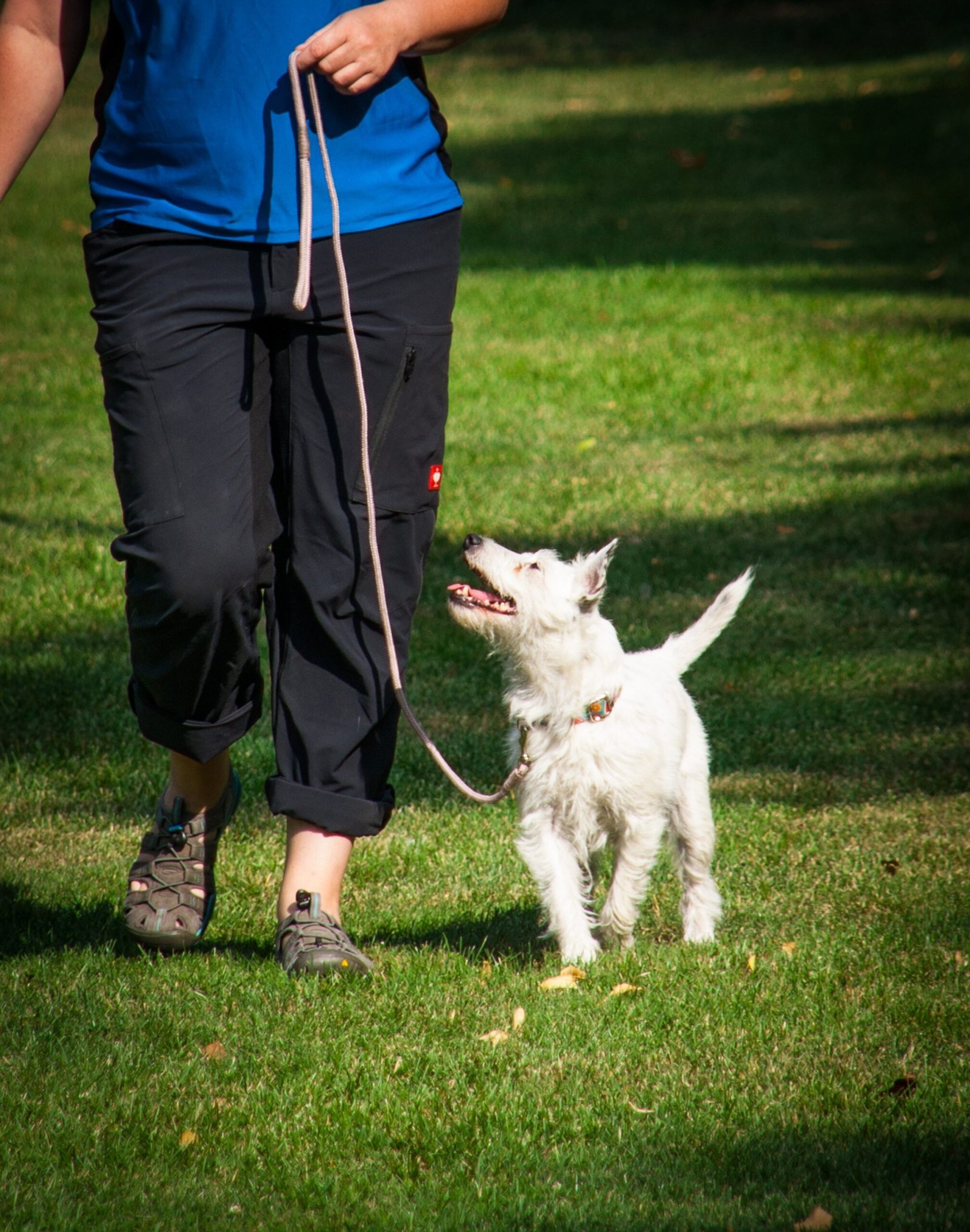
How to Teach a Dog to Come When Called: 7 Easy Training Steps
A reliable recall is the single most important skill you can teach your dog. It can save their life in an emergency, allow them greater freedom, and strengthen the bond between you. Yet many owners struggle with it because the “come” command asks a dog to abandon whatever exciting thing they’re doing and return to you.
The good news? How to teach a dog to come when called is straightforward if you build it correctly. Here are seven practical steps to build a rock-solid recall.
How to Teach a Dog to Come: Step 1 – Pick a Unique Recall Cue
Choose a word reserved exclusively for recall. If your dog has already learned to ignore “come,” pick something else like “here” or “front.” Avoid using your dog’s name as the recall word—you probably say it constantly, so it loses its power as a special cue.
Consistency matters. Everyone in the household should use the same word every time. You can also use a dog whistle as your recall cue. Whistles carry well over distance and are less emotional than a human voice.
How to Teach a Dog to Come: Step 2 – Gather High-Value Rewards
The reward must be worth more than whatever your dog is leaving behind. Kibble won’t cut it when your dog is chasing a squirrel. Use small pieces of real meat, cheese, or freeze-dried liver—soft, smelly treats that can be swallowed quickly.
Reserve these special treats exclusively for recall training. If they become everyday rewards, they lose their power. For dogs who aren’t food-motivated, use a favorite toy or a quick game of tug as the reward.
How to Teach a Dog to Come: Step 3 – Start Indoors With Zero Distractions
Begin in a quiet room with no other pets, people, or distractions. Have a partner help if possible. Kneel down, say your recall word once in a happy, enthusiastic tone, and wait. If your dog doesn’t understand yet, clap or make kissy noises to encourage them toward you.
The moment your dog reaches you, reward immediately. Timing is everything—the treat should appear within a second or two of your dog arriving. Praise enthusiastically and give several small treats in a row, not just one.
How to Teach a Dog to Come: Step 4 – Practice the “Follow Me” Game
This foundational game from the RSPCA builds focus and makes coming to you genuinely fun. Drop a treat on the ground, walk away a few steps, then call your dog. As they move toward you, mark the behavior with a “yes” or “good,” then reward when they arrive.
Keep moving and changing direction to keep it playful. This teaches your dog that following you is a game worth playing—not a command that ends the fun.
How to Teach a Dog to Come: Step 5 – Add Distance and Distractions Gradually
Once your dog reliably comes in one room, expand to other areas of the house, then a fenced yard, then progressively busier environments. Each new location is essentially a new training scenario for your dog, so expect them to need a refresher in each space.
Add distance slowly. If your dog succeeds at 10 feet, try 15. If they fail, you’ve moved too fast—go back to the last distance where they succeeded. Use a long-line leash (15–30 feet) in open areas so your dog can practice distance safely without the risk of bolting.
How to Teach a Dog to Come: Step 6 – Play Recall Games
Games make recall training enjoyable for both of you and build speed and enthusiasm. Try “Catch Me”—get your dog’s attention, turn and run a few steps away, then call them. Your dog’s natural chase instinct kicks in.
“Find Me” is another excellent game. Hide in another room and call your dog. When they find you, reward generously. “Hot Potato” involves two or more people standing apart and taking turns calling the dog back and forth, rewarding each successful recall.
How to Teach a Dog to Come: Step 7 – Never Punish a Dog Who Comes
This is non-negotiable. If your dog finally arrives after three calls and two minutes, reward them enthusiastically. Dogs live in the moment—if you scold them for taking too long, they learn that coming to you leads to punishment, not reward.
Also avoid calling your dog for unpleasant things like baths, nail trims, or leaving the dog park. If “come” always predicts the end of fun, your dog will start avoiding you. Practice recalls frequently during walks, reward, then release them back to play.
How to Teach a Dog to Come: A Final Safety Note
Even with excellent training, no dog is 100% reliable. Keep your dog leashed in unfenced areas unless you are absolutely confident in their recall. Responsible ownership means respecting leash laws and recognizing that some dogs—particularly hounds and terriers with strong prey drives—may never be safe off-leash in open areas.
With patience, consistency, and rewards that genuinely excite your dog, you can build a recall that gives you both freedom and peace of mind.