
How to Teach a Dog to Sit and Stay: 7 Proven Obedience Drills
Teach a Dog to Sit and Stay — these are basic obedience drills that are a regular part of the dog training process. These can be useful in communicating with your dog and can also be useful with everyday situations.
1. Teach a Dog to Sit and Stay: Get Into a Quiet Place
Now get into a quiet place.
Make sure to train in an environment that isn’t cluttered with distractions. May be helpful to have a quiet room or safe outdoor space to help your dog concentrate on you.
Limit training sessions to a maximum of 30 minutes. Many dogs, particularly novices, will need a few minutes, perhaps 5 to 10. It may be better to have a couple of short sessions during the day than one long session.
2. Teach a Dog to Sit and Stay: How to Teach the Sit Command
Sit Command is taught to the students. Students learn Sit Command.
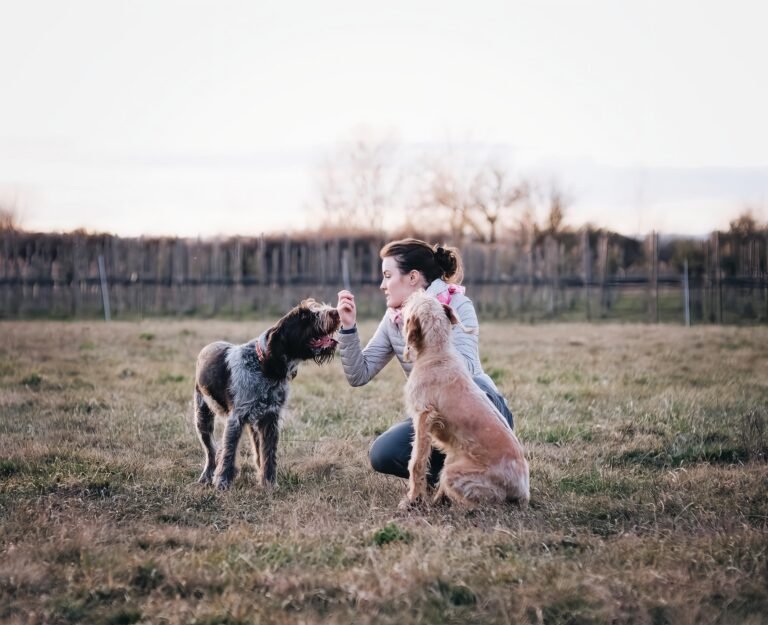
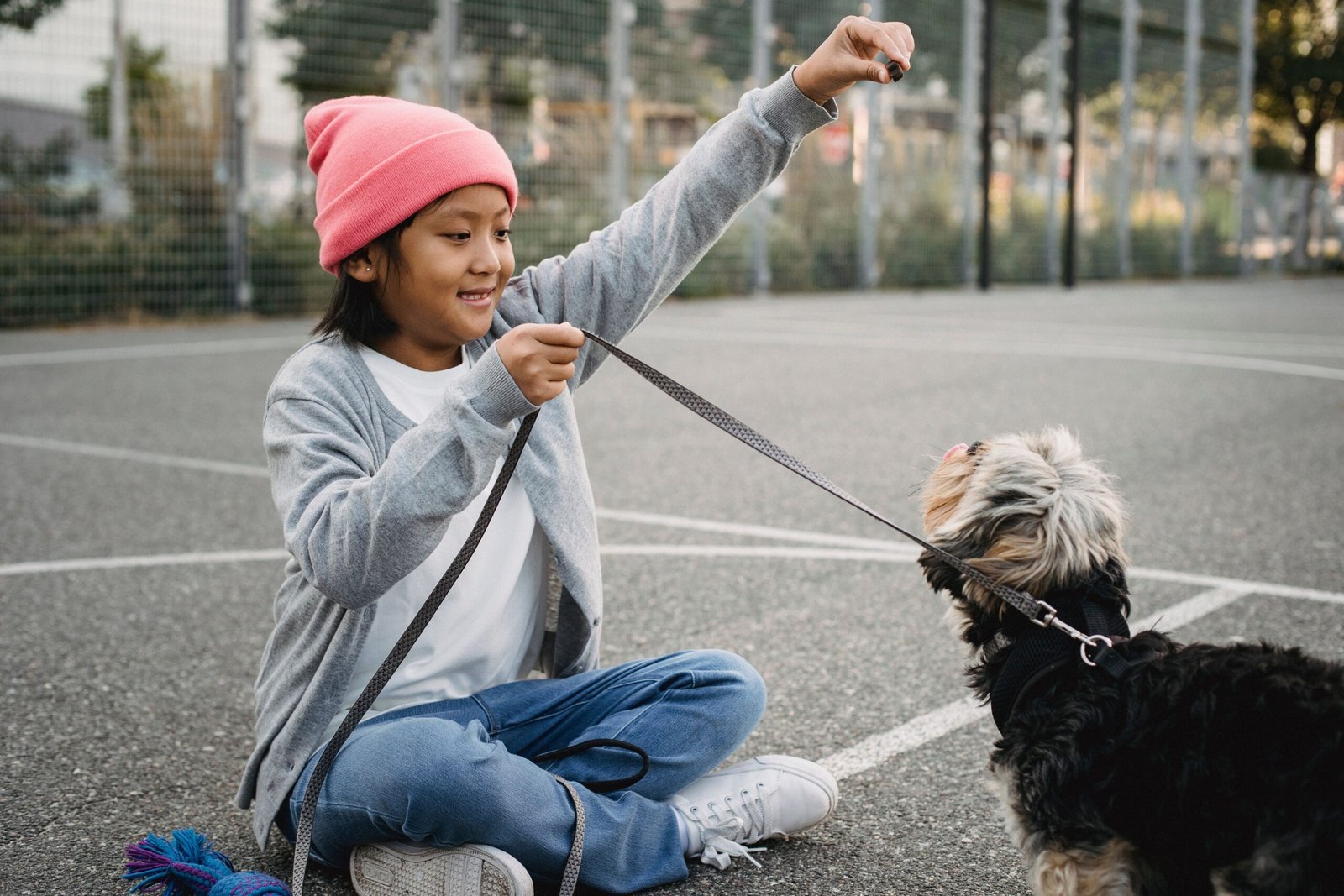
Have a small treat in front of your dog’s nose. Move hand upward and back at the same time slowly. Your dog will follow the treat with its eyes and nose, and its natural motion might result in the dog sitting.
Praise your dog with a treat as soon as your dog’s butt hits the floor, saying “sit”. Calm praise your dog.
Do this several times. Eventually, your dog should begin understanding that the word “sit” is connected with the action.
3. Teach a Dog to Sit and Stay: Practice Without the Treat
When it becomes consistent, always start using the hand movement, but not always with a treat. Give positive reinforcement following correct answers.
Slowly decrease the frequency of feeding rewards and still use praise and other positive reinforcement.
4. Teach a Dog to Sit and Stay: Teaching Stay
Once your dog knows the “sit” command, you can start training him to “stay”. Please have your dog sit. Then extend your open palm toward them and use a soothing tone of voice to say “stay”.
Go one step back. When the dog stays in place for a couple of seconds, go back to the dog, reward and praise him/her.
5. Teach a Dog to Sit and Stay: Increase Distance Slowly
Don’t assume that your dog will hold when you cross the room. Start at a very short distance.
After your dog has done it many times, start to increase the distance. Time can be gradually graduated in length of time your dog holds the position.
6. Teach a Dog to Sit and Stay: Add Distractions Gradually
Many dogs can hear commands in an uncluttered space and can’t in another. When your dog mastered sit and stay, try practicing in various safe spots.
Change the setting to a different room, your yard or another quiet area. Don’t overwhelm your dog by introducing distractions slowly.
7. Teach a Dog to Sit and Stay: Avoid Repeating Commands
Try not to repeatedly say “stay, stay, stay” if your dog moves. Rather, simply reset the exercise and make it easier.
Your dog’s training should make him learn that when he responds to your first command, there is something good that will follow.
Teach a Dog to Sit and Stay: Keep Training Positive
Do not yell or physically punish the dog when training. It is important to train dogs clearly, consistently, and in a rewarding way for them to learn.
Each successful repetition reinforces the behavior. Dogs learn at different paces – some fast, some slow.
Complicated equipment is not necessary for the teaching of sit and stay. Using these helpful skills regularly, with clear commands, patience, and encouragement, these skills can easily become a part of your dog’s daily routine.