
Dog Grooming: 7 Easy Tips to Keep Your Dog Clean and Healthy
Regular dog grooming is an important part of keeping your pet comfortable, clean, and healthy. Grooming is not just about making your dog look good. Brushing the coat, cleaning the ears, trimming the nails, and checking the skin can help you notice problems early.
You do not need to be a professional groomer to care for your dog at home. With a simple routine, the right tools, and some patience, grooming can become a normal part of your dog’s life.
1. Brush Your Dog Regularly
Brushing is one of the easiest dog grooming habits to start at home. It removes loose hair, dirt, and small tangles from your dog’s coat. Regular brushing can also help reduce the amount of hair around your home.
The right brushing schedule depends on your dog’s coat. Short-haired dogs may only need brushing once or twice a week, while dogs with long or thick coats may need more frequent brushing.
Choose a brush designed for your dog’s coat type. Start gently and avoid pulling through painful mats or tangles.
For a detailed guide, read our article on how to brush your dog’s coat properly.
2. Bathe Your Dog When Necessary
Dogs do not usually need frequent baths unless they get particularly dirty, have a skin condition, or your veterinarian recommends a specific bathing routine.
When bathing your dog, use a shampoo made specifically for dogs. Human shampoo can be too harsh for a dog’s skin.
Use lukewarm water and rinse the coat thoroughly so that no shampoo remains. After the bath, dry your dog properly and keep them somewhere warm until the coat is dry.
If your dog develops persistent itching, redness, or an unusual smell after bathing, speak with a veterinarian.
For bathing frequency, see our guide on how often to bathe your dog.
3. Check and Clean Your Dog’s Ears
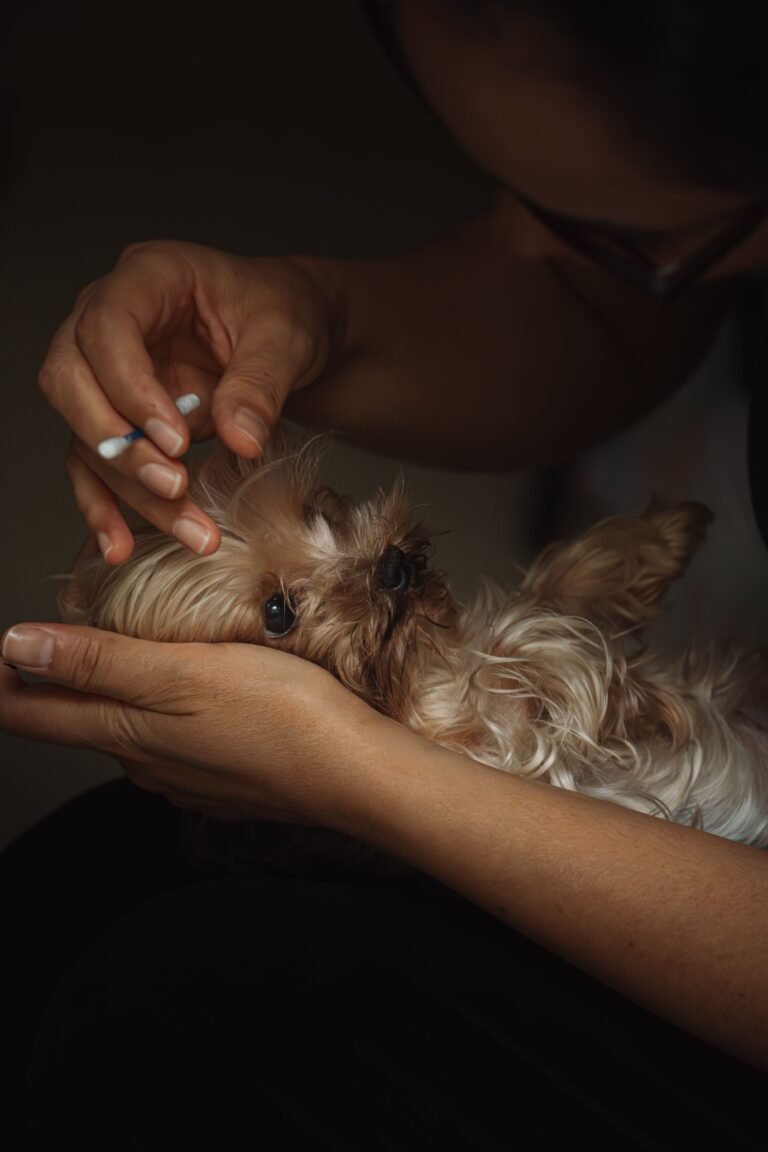
Ear care is another important part of good dog grooming. Check your dog’s ears regularly for dirt, excessive wax, redness, swelling, or an unusual odor.
Do not push cotton swabs deep into the ear canal. If your dog needs ear cleaning, use a veterinarian-recommended ear-cleaning product and follow its instructions.
Frequent head shaking, scratching, or sensitivity around the ears can indicate a problem that needs veterinary attention rather than simply more cleaning.
The ASPCA’s dog care guide offers additional advice on common dog health issues.
4. Keep Your Dog’s Teeth Clean
Dental care is often forgotten when owners think about grooming. However, keeping your dog’s teeth clean can support better oral health.
Introduce brushing slowly with a toothbrush and toothpaste specifically made for dogs. Never use human toothpaste unless a veterinarian specifically tells you to do so.
Begin with short sessions and reward your dog for staying calm. If you notice heavy tartar, bleeding gums, persistent bad breath, or difficulty eating, arrange a veterinary checkup.
For a full grooming routine, see our complete dog grooming guide for beginners.
5. Trim the Nails Carefully
Long nails can make walking uncomfortable and may become caught on carpets or other surfaces. Regular nail checks should therefore be part of your dog’s grooming routine.
Use proper dog nail clippers and trim only small amounts at a time. Be careful not to cut into the quick, which contains blood vessels and nerves.
If your dog becomes very nervous during nail trimming, ask a professional groomer or veterinarian to help rather than forcing the process.
For step-by-step instructions, read our guide on how to trim your dog’s nails safely.
6. Check the Paws and Skin
Your dog’s paws can collect dirt, grass, mud, and other debris during walks. Check between the toes and around the paw pads after outdoor activities.
During grooming, also look over your dog’s skin for unusual lumps, cuts, irritation, parasites, or areas of hair loss.
Finding something unusual does not necessarily mean there is a serious problem, but persistent changes should be discussed with a veterinarian.
The American Kennel Club’s grooming guide has useful general grooming information.
7. Make Grooming a Positive Experience
The best dog grooming routine is one your dog can comfortably tolerate. Start slowly and avoid trying to do everything in one session.
Give your dog praise and appropriate treats when they remain calm. If your dog becomes stressed, take a break and try again later.
Puppies can benefit from being introduced to gentle brushing, paw handling, ear checks, and other grooming activities at an early age. Older dogs can also learn to accept grooming when introduced gradually.
For more on keeping your dog healthy, see our guide on how to keep your dog healthy and happy.
Final Thoughts
Regular dog grooming is a simple way to support your pet’s everyday hygiene and comfort. Brushing the coat, bathing when needed, checking the ears, caring for the teeth, trimming the nails, and inspecting the paws can all become part of a practical home-care routine.
Every dog has different grooming needs depending on its coat, age, lifestyle, and overall health. If you are unsure how often your dog needs grooming or notice a persistent skin, ear, nail, or dental problem, ask your veterinarian for advice.
With patience and consistency, grooming can become a calm routine that helps you spend quality time with your dog while keeping them clean and comfortable.