
Cat Grooming: 7 Simple Cleaning Tips Every Cat Owner Should Know
Keeping your cat clean is an important part of responsible pet care. Although cats spend a lot of time grooming themselves, they still need some help from their owners. Regular cat grooming can help remove loose hair, keep the coat clean, and give you a chance to notice small problems before they become serious.
The good news is that grooming does not have to be stressful. With the right routine and a little patience, most cats can become comfortable with regular cleaning.
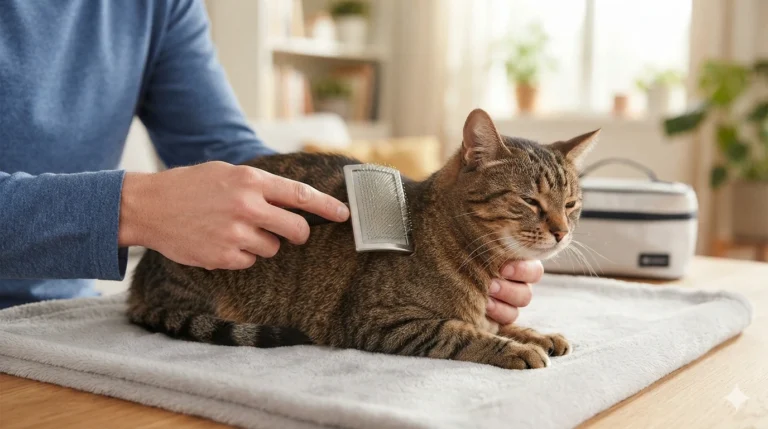
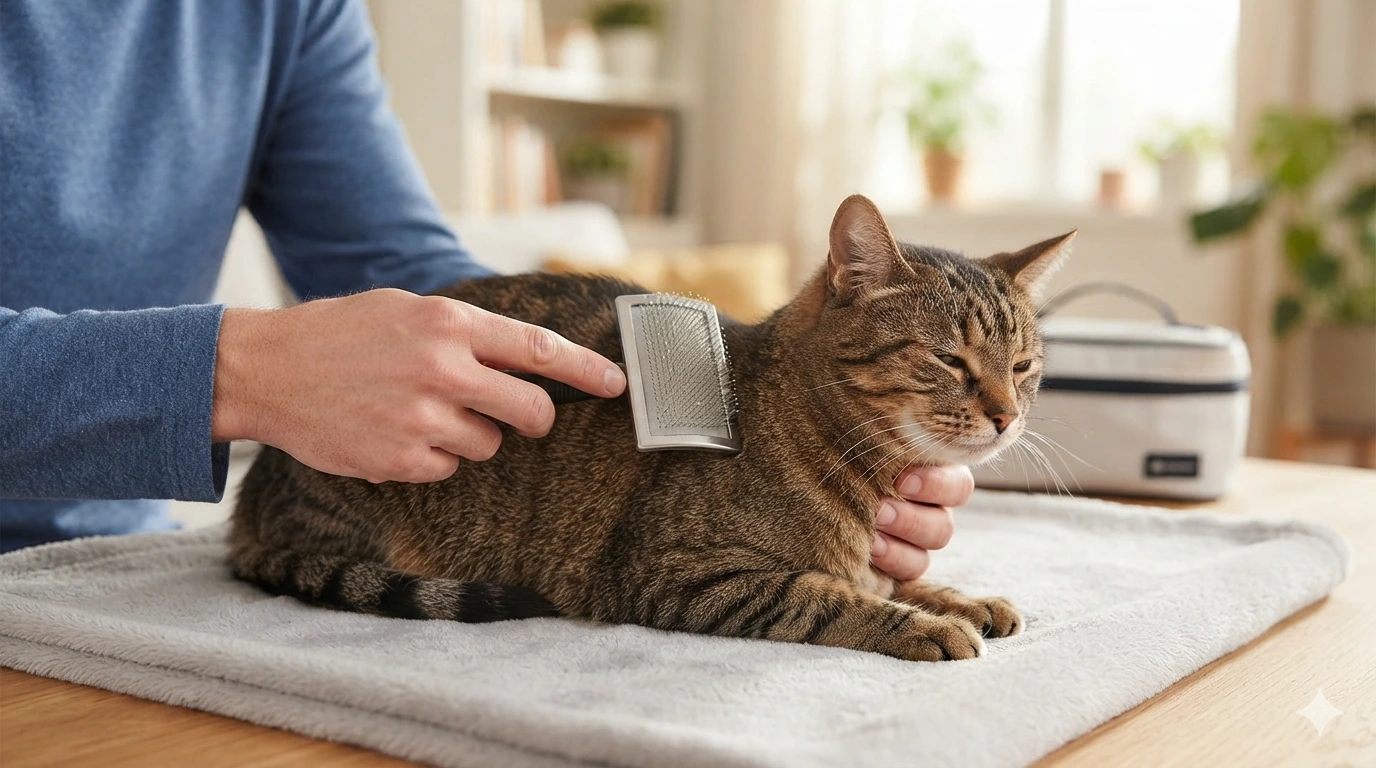
1. Brush Your Cat Regularly
Brushing is one of the easiest ways to keep your cat’s coat clean. It removes loose hair, dirt, and small tangles before they become difficult to manage.
Short-haired cats may only need brushing once or twice a week, while long-haired cats often benefit from daily brushing. Use a brush that suits your cat’s coat and start slowly, especially if your cat is not used to being handled.
Regular brushing can also reduce the amount of loose hair around your home and may help reduce hairballs caused by swallowed fur.
For dog owners, we have a similar guide on how to brush your dog’s coat properly.
2. Keep Your Cat’s Eyes Clean
Some cats naturally develop a small amount of discharge around their eyes. You can gently clean the area with a soft, clean, damp cloth.
Always use a separate clean part of the cloth for each eye. Avoid using household cleaning products, soaps, or other products that are not designed for cats.
If you notice excessive discharge, swelling, redness, cloudiness, or your cat is frequently rubbing its eye, contact a veterinarian rather than trying to treat the problem yourself.
The ASPCA’s cat care guide offers additional advice on common cat health issues.
3. Check and Clean the Ears Carefully
Healthy cat ears usually do not require frequent deep cleaning. However, checking them regularly can help you notice dirt, unusual odor, redness, or excessive wax.
Never push cotton swabs deep into your cat’s ear. If cleaning is needed, use a veterinarian-recommended cat ear cleaner and follow the product instructions.
If your cat keeps scratching its ears or shaking its head, professional veterinary advice is more appropriate than repeated cleaning at home.
4. Take Care of Your Cat’s Teeth
Dental care is another part of good cat grooming that owners sometimes overlook. Plaque and tartar can build up on a cat’s teeth and may contribute to dental problems.
A cat-specific toothbrush and toothpaste can be introduced gradually. Never use human toothpaste because some ingredients can be harmful to cats.
Start with short sessions and reward your cat for remaining calm. If your cat already has significant tartar, bad breath, bleeding gums, or difficulty eating, speak with a veterinarian.
For more on pet dental health, see our daily pet care routine guide.
5. Keep the Paws Clean
Your cat’s paws come into contact with litter, floors, and other surfaces throughout the day. Check them occasionally for stuck litter, dirt, cuts, or irritation.
Long-haired cats may sometimes get litter or debris caught between their toes. Gently remove anything that can be safely removed without pulling or causing discomfort.
If you notice swelling, bleeding, or a painful reaction when touching the paw, stop and seek veterinary advice.
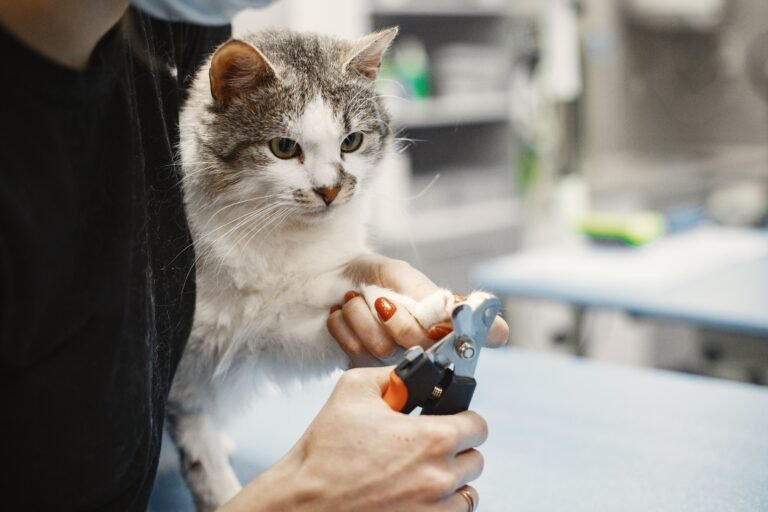
6. Trim the Nails When Needed
Indoor cats may need occasional nail trimming. Long nails can become uncomfortable and may catch on carpets or furniture.
Use proper cat nail clippers and trim only the sharp tip. Avoid cutting the pink area inside the nail, commonly called the quick, because it contains blood vessels and nerves.
If you are nervous about trimming your cat’s nails, a veterinarian or professional groomer can show you the correct technique. The American Kennel Club’s grooming guide has useful general grooming information.
For dog nail trimming, check our guide on how to trim your dog’s nails safely.
7. Make Grooming a Calm Routine
The most important part of cat grooming is making the experience comfortable. Do not try to complete every grooming task in one session.
Choose a quiet time when your cat is relaxed. Begin with something easy, such as a few gentle brush strokes, and offer praise or a small reward afterward.
Over time, your cat can learn that grooming is a normal part of its routine. Never force a frightened or aggressive cat through a grooming session. Taking breaks can make future sessions much easier.
If your cat is stressed by grooming, our guide on how to keep an indoor cat healthy and happy may help.
Final Thoughts
Regular cat grooming is more than keeping your cat looking clean. Brushing, checking the eyes and ears, caring for the teeth, inspecting the paws, and trimming the nails when necessary can all contribute to better everyday care.
Every cat is different, so the ideal grooming routine depends on your cat’s coat, age, lifestyle, and individual needs. Keep sessions gentle and consistent, and ask a veterinarian for advice whenever you notice something unusual.
A few minutes of regular care can make grooming easier for both you and your cat.