

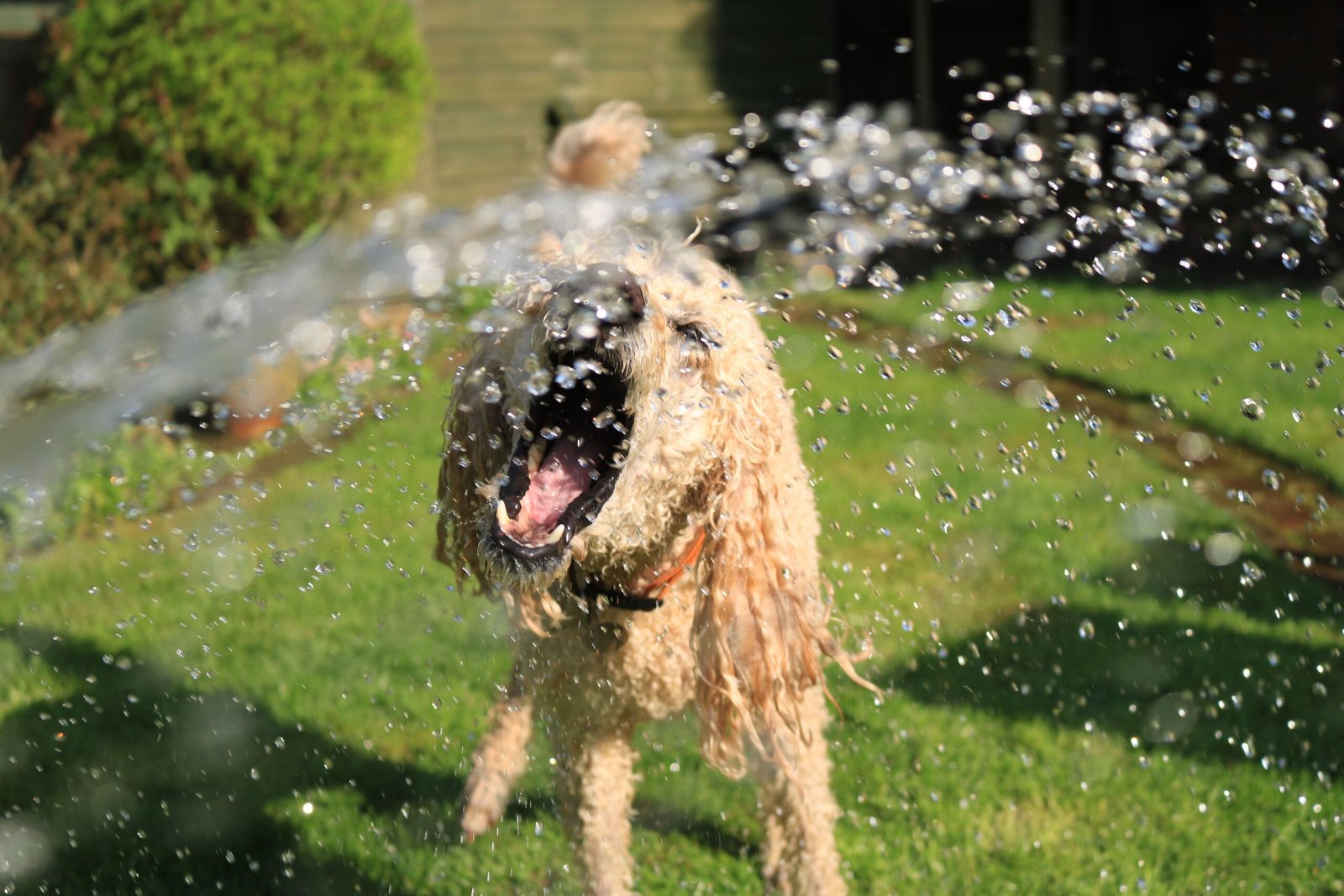
How to Keep a Dog Cool in Hot Weather: 9 Safe Tips
Hot weather can be dangerous for dogs. Unlike humans, dogs don’t cool themselves by sweating—they rely almost entirely on panting, with only a small amount of sweating through their paws. That means they overheat far faster than we do, and in severe cases, heatstroke can be fatal.
The good news is that knowing how to keep a dog cool is straightforward once you understand the risks. With the right precautions, you can keep your dog safe, comfortable, and happy all summer long.
How to Keep a Dog Cool: Tip 1 – Never Leave Your Dog in a Parked Car
This is the most critical rule. Even with windows cracked, a car’s interior can reach dangerous temperatures within minutes. When it’s 22°C (76°F) outside, temperatures inside a vehicle can quickly rise to 47°C (117°F)—enough to be fatal, according to the RSPCA. If you see a dog in distress in a hot car, call emergency services immediately.
How to Keep a Dog Cool: Tip 2 – Rethink Your Walk Schedule
Exercise is the leading trigger of heatstroke in dogs—far more common than overheating in cars. Adjust your routine on hot days:
-
Walk early morning or late evening when temperatures are lowest
-
Skip walks entirely during heatwaves and replace them with indoor games or puzzle toys
-
Reduce intensity—swap long walks for gentle strolls in shaded areas
Flat-faced breeds like Pugs, French Bulldogs, and Boxers are especially vulnerable because their shortened airways make panting less effective.
How to Keep a Dog Cool: Tip 3 – Test the Pavement Before Walking
Hot pavement can burn your dog’s paw pads in seconds. Place the back of your hand on the ground for five seconds—if it’s too hot for you, it’s too hot for your dog. Stick to grass, shaded paths, or walk during cooler hours.
Signs of burned paws include limping, licking or chewing at feet, and blisters or redness on the pads.
How to Keep a Dog Cool: Tip 4 – Provide Constant Access to Water
Hydration is your dog’s best defense against heat. Keep multiple water bowls around the house and garden, and top them up with cool water throughout the day. When out and about, carry a portable bowl and offer small amounts of water every 15–20 minutes.
Avoid letting your dog drink large amounts while panting heavily—this can cause bloating and vomiting.
How to Keep a Dog Cool: Tip 5 – Create Cool Indoor Spaces
Your home should be a cool retreat. Close curtains or blinds during the hottest part of the day to block direct sunlight. Fans improve airflow, but make sure your dog can move away if they choose. Tiled floors and cooling mats give dogs a comfortable surface to lie on.
If you don’t have air conditioning, consider taking your dog to a pet-friendly indoor space during peak heat.
How to Keep a Dog Cool: Tip 6 – Use Cooling Products Wisely
Cooling mats, jackets, and bandanas can help—but not all are created equal. Some gel mats stay cool without refrigeration, while others need pre-freezing. Always follow the manufacturer’s instructions and monitor your dog during use, as some mats can retain heat once they’ve warmed up.
For cooling jackets that require wetting, check regularly that they haven’t dried out—a dry jacket can insulate your dog and make them hotter.
How to Keep a Dog Cool: Tip 7 – Try the Voluntary Head Dunk Technique
New research from the American Veterinary Medical Association has found that teaching dogs to voluntarily dunk their heads in water is one of the most effective cooling methods. Dogs trained to retrieve a toy or treat from a bucket of room-temperature water cooled faster than with other methods and avoided dangerous post-exercise temperature spikes.
This technique works because blood flow to the head, nose, and tongue increases during heat stress. Cooling these areas allows for rapid whole-body cooling using limited water. Training uses positive reinforcement and may take days to weeks depending on your dog.
How to Keep a Dog Cool: Tip 8 – Groom Regularly but Avoid Shaving
Regular brushing removes loose, dead fur and helps air circulate through the coat. However, avoid shaving your dog’s coat unless advised by a vet or groomer. A dog’s coat provides insulation against both heat and sunburn—shaving too short can actually make them hotter and increase UV exposure. For a full grooming routine, see our beginner’s guide to dog grooming.
For dogs with white or light-colored fur, apply pet-safe sunscreen to exposed areas like ear tips and nose.
How to Keep a Dog Cool: Tip 9 – Know the Warning Signs of Heatstroke
Recognizing heatstroke early saves lives. Watch for:
-
Heavy, frantic panting or excessive drooling
-
Bright red, dark red, or purple gums and tongue
-
Lethargy, stumbling, or confusion
-
Vomiting or diarrhea
-
Collapse
If you notice these signs, act immediately: move your dog to a cool area, wet them with room-temperature water (never ice-cold), and contact your vet. The current best practice is “cool first, transport second”—begin cooling before heading to the clinic.
A Final Note on How to Keep a Dog Cool
Learning how to keep a dog cool in hot weather is about prevention, preparation, and vigilance. Simple changes to your routine—walking at dawn, providing shade and water, and knowing the warning signs—can make all the difference. When in doubt, keep your dog indoors. A missed walk is far better than a trip to the emergency vet. Senior dogs and puppies need extra care in the heat, so check our guide on caring for senior dogs for age-specific tips.