

How to Train a Cat: A Complete Guide with 7 Easy Steps
Introduction
How to train a cat is a question many new cat owners ask. Some people believe cats cannot be trained, but that’s simply not true. Cats can learn names, routines, commands, and appropriate behaviors when training is done correctly. The key is understanding that cat training is different from training a dog.
Cats are intelligent, independent animals that respond best to patience, rewards, and short training sessions. This beginner’s guide explains how to train a cat, what techniques work best, common mistakes to avoid, and how to build trust with your cat during the process.
What Is Cat Training?
Cat training means teaching your cat desired behaviors and redirecting unwanted ones. The goal is not to punish your cat but to encourage positive behavior through positive reinforcement.
For example:
- Scratching → Encourage a scratching post
- Hunting → Use interactive toys
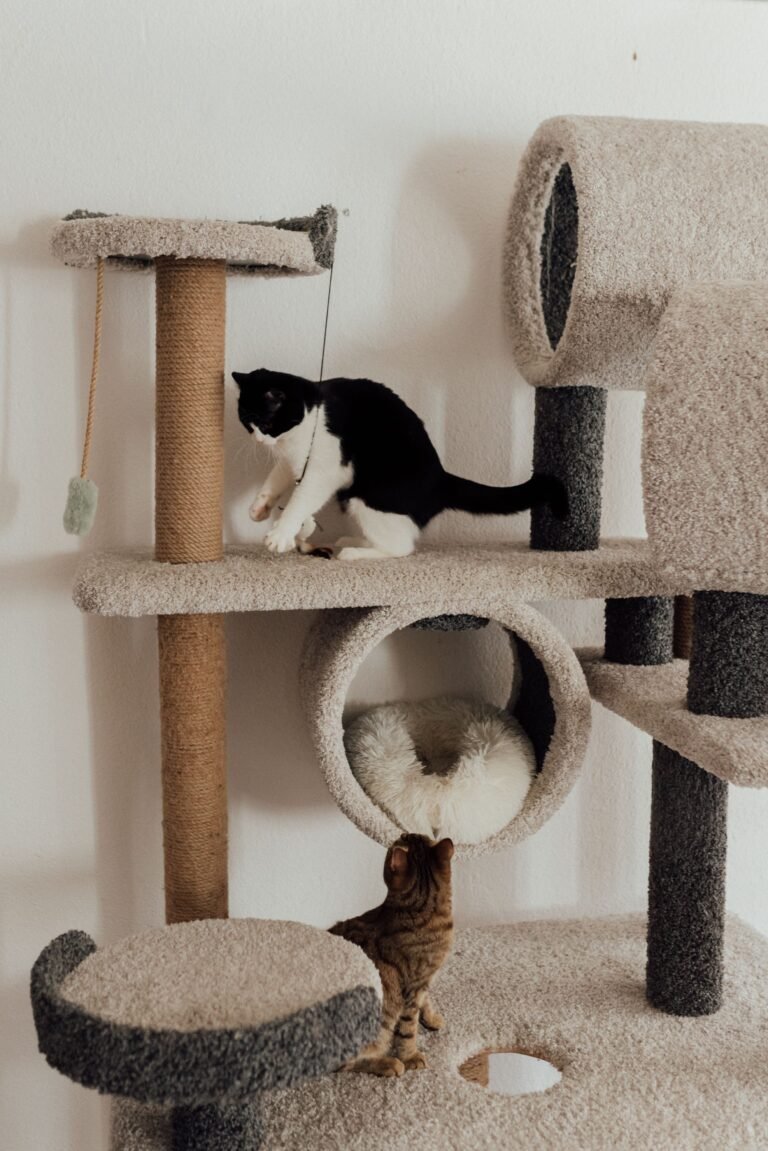
- Climbing → Provide a cat tree
- Coming when called → Reward with treats or play
When learning how to train a cat, remember that you are working with your cat’s natural instincts rather than trying to completely change its personality.
Why Training a Cat Is Different From Training a Dog
Understanding this difference makes how to train a cat much easier.
| Dogs | Cats |
|---|---|
| Often social pack animals | More independent animals |
| Frequently motivated by praise | Often motivated by food or play |
| May enjoy longer training sessions | Usually prefer short sessions |
| Commands can be repeated frequently | Patience and timing are important |
| Often seek human approval | May choose when to participate |
You cannot force a cat to participate in training. If your cat becomes frustrated or distracted, stop the session and try again later. Short sessions of two to five minutes are often more effective.
Positive Reinforcement: The Foundation of Cat Training
Positive reinforcement is one of the most useful techniques when learning how to train a cat. Whenever your cat performs the desired behavior, reward it immediately.
Common rewards include:
- Small pieces of favorite treats
- A little wet food
- Interactive play with a wand toy
- Petting, if your cat enjoys it
- Verbal praise such as “Good girl!”
Timing is extremely important. Try to give the reward immediately after the desired behavior so your cat can understand what action earned the reward.
Name Recognition: Where Cat Training Starts
One of the first things you should teach your cat is to recognize its name. Name recognition can become the foundation for other training exercises.
Here’s how to train a cat to recognize its name:
- Sit near your cat in a calm environment.
- Say its name once using a friendly voice.
- When your cat looks toward you, immediately give it a small treat.
- Repeat this five to ten times during a session.
- Practice two or three short sessions each day.
- Gradually increase the distance as your cat becomes more reliable.
Never use your cat’s name when scolding it. Your cat should learn that hearing its name is associated with positive experiences.
Common Mistakes in Cat Training
Even when owners have good intentions, several common mistakes can slow down cat training.
Training for Too Long
Cats can lose interest quickly. A focused five-minute session is usually more useful than a long session where your cat becomes bored.
Delaying the Reward
Reward the desired behavior immediately. If too much time passes, your cat may not understand which behavior earned the treat.
Being Inconsistent
Training once a week is unlikely to create a strong habit. Short and regular sessions are more effective.
Using Punishment
Yelling, spraying water, or physically correcting a cat can damage trust. Instead, redirect unwanted behavior toward an appropriate alternative.
Expecting Dog-Like Obedience
Cats have different personalities and motivations. Progress should be measured according to your cat’s behavior rather than compared with a dog’s obedience.
A Few Things to Keep in Mind
Learning how to train a cat is mostly about communication, patience, and consistency. Your cat may learn quickly one day and seem uninterested the next. That is normal.
Focus on small improvements and reward the behaviors you want to see more often. With regular practice, your cat can learn its name, follow simple cues, use appropriate scratching areas, and develop better everyday habits.
Most importantly, make training a positive experience. When your cat feels safe and rewarded, it is much more likely to participate and continue learning.